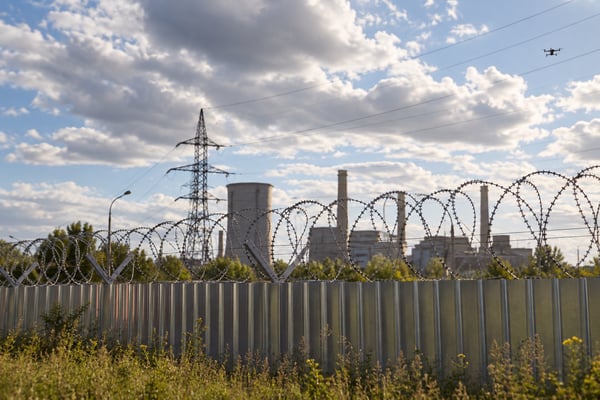
For decades, critical infrastructure security has centered on physical security and cybersecurity. Security leaders invested in perimeter protection, surveillance, access control, cybersecurity, and operational resilience. Yet one area has largely remained outside traditional security planning: the airspace above and around critical facilities.
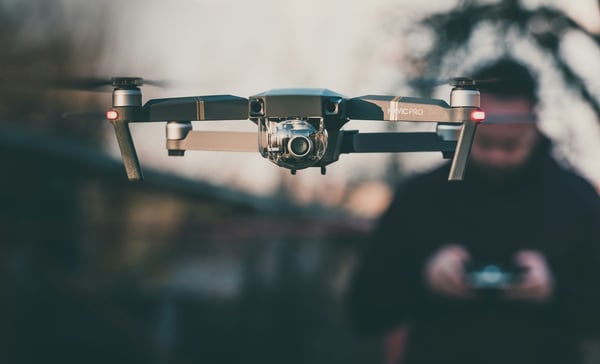
As commercial drone adoption accelerates, organizations increasingly encounter drones performing inspections, emergency response, mapping, deliveries, media production, recreation, and countless other legitimate missions. At the same time, unknown drone activity can create operational uncertainty, increase investigative workload, and expose organizations to new risks.
FAA Section 2209 represents more than another aviation regulation. It reflects a broader shift in how critical infrastructure organizations should approach airspace security. Rather than treating drone activity as an isolated aviation issue, security leaders should begin incorporating drone detection and airspace intelligence into enterprise security programs.
During SkySafe's webinar featuring former CISA UAS Security Chief L. Scott Parker, one message remained consistent throughout the discussion: organizations should not wait for the final rule before preparing. Policies, procedures, governance, training, and operational planning require time. Those who begin today will be positioned to operationalize new capabilities much faster when regulations are finalized.
Effective Airspace Security Starts with Understanding Drone Activity
Effective airspace security requires more than simply detecting drones. Detection alone provides limited value if security teams lack the context to understand what they are observing, determine whether activity warrants further investigation, and decide what action should follow.
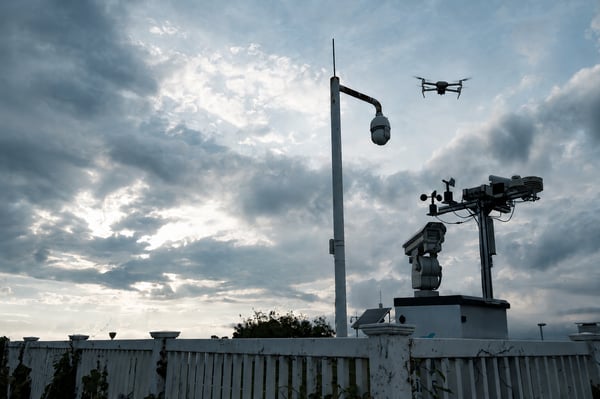
Effective airspace security combines drone detection and airspace intelligence to provide operational context. Historical flight records, recurring activity, flight paths, altitude, launch locations, and operator location (when supported by the observed RF communication) can provide the context security teams need to assess drone activity, compare it with established patterns, and determine whether further investigation or action may be warranted.
Without that context, every drone becomes an unknown. Every alert appears equally important. Security teams spend valuable time investigating activity they cannot classify. Operational awareness replaces uncertainty with informed decision-making.
Why Section 2209 Changes Security Strategy
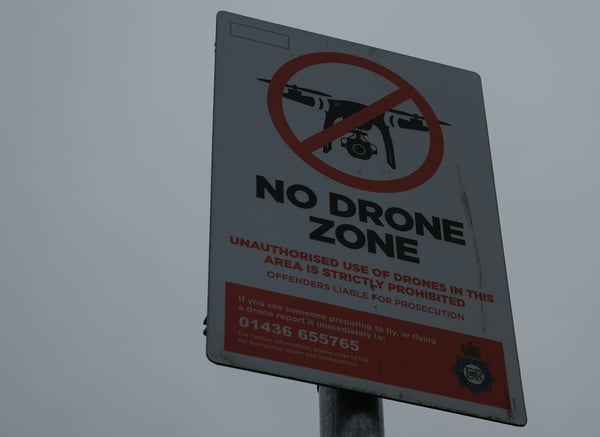
Section 2209 establishes a framework allowing qualifying critical infrastructure operators to petition the FAA for unmanned aircraft flight restrictions over eligible facilities. As Parker described during the webinar, it functions like a 'no trespass sign in the sky.'
However, a restriction alone does not create security. Organizations still require drone detection and airspace intelligence to understand authorized operations, identify violations, document incidents, coordinate with law enforcement, and support investigations. The proposal therefore represents a strategic shift in security planning rather than simply a regulatory update.
Start with Policy Before Technology
One of the webinar's strongest recommendations was simple: start with policy. Before evaluating vendors or technologies, organizations should identify critical assets, document operational risks, define ownership, establish standard operating procedures, determine investigative workflows, and understand how drone incidents integrate into existing security operations.
Technology should enable these processes rather than define them. Organizations that begin with clear operational requirements consistently make better technology decisions.
Integrate Airspace Into Existing Security Operations
Drone activity should not become another isolated security function. Instead, drone detection and airspace intelligence should integrate alongside physical security and cybersecurity. Incorporating drone activity into established security operations, incident response, and investigative workflows can help teams build greater situational awareness and respond more consistently across facilities.
This convergence improves situational awareness, accelerates investigations, and strengthens operational resilience across multiple facilities.
Organizations Should Begin Building Their Baseline Now
Organizations should begin reviewing Section 2209 qualification requirements, commenting during the rulemaking process when appropriate, documenting current drone activity, developing response procedures, and evaluating drone detection technologies. These investments provide value regardless of whether an organization ultimately qualifies for a restriction because they improve operational awareness today.
The Future of Critical Infrastructure Airspace Security
Drone detection is only the starting point. Effective airspace security requires enough visibility and context to understand what activity is being observed, how it compares with established patterns, whether it is authorized, and whether further assessment or action is required.
Section 2209 may create a new regulatory framework for protecting qualifying critical infrastructure sites, but the broader security imperative already exists. Airspace has become part of the security perimeter. Organizations need the visibility to understand what is happening there.
Five Actions Security Leaders Should Take Now
1. Review the proposed FAA Section 2209 rule and determine whether your facilities may qualify.
2. Submit comments if qualification thresholds do not reflect operational realities.
3. Develop policies, governance, and standard operating procedures for drone incidents.
4. Establish a baseline understanding of normal drone activity through drone detection and airspace intelligence.
5. Evaluate solutions that support investigations, reporting, historical analysis, and operational resilience.