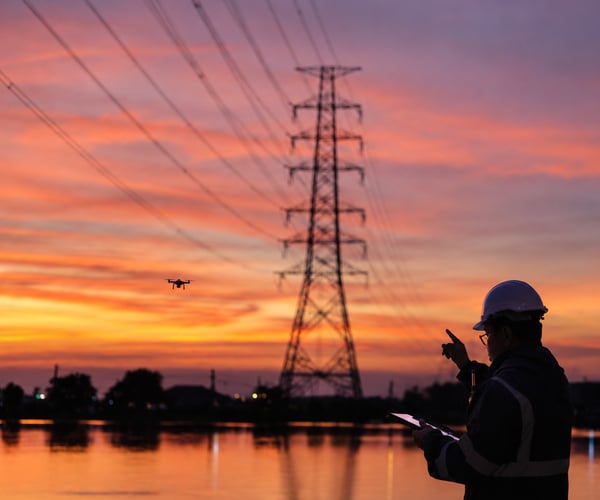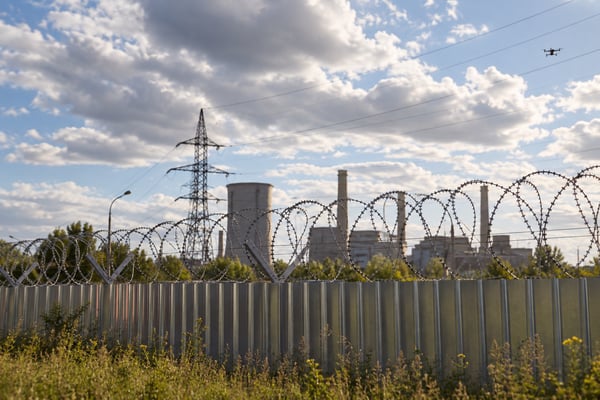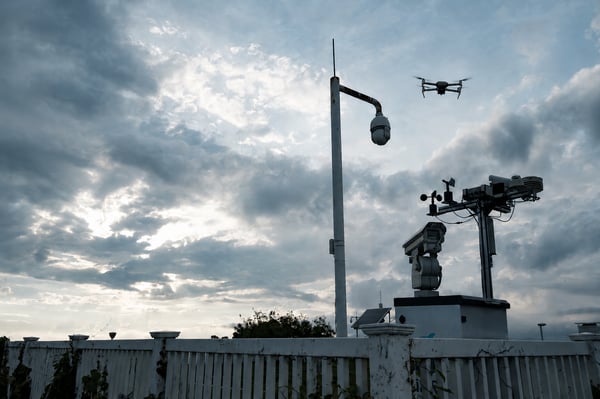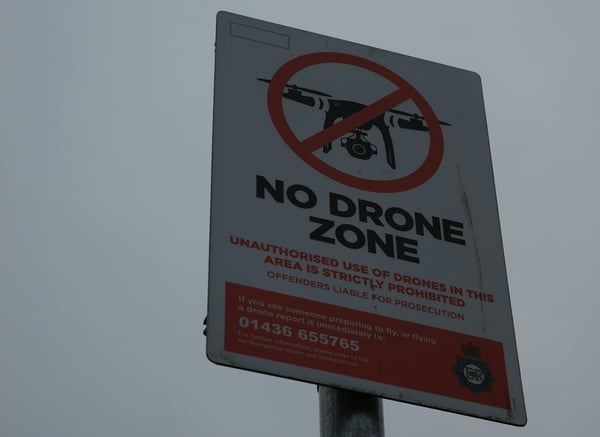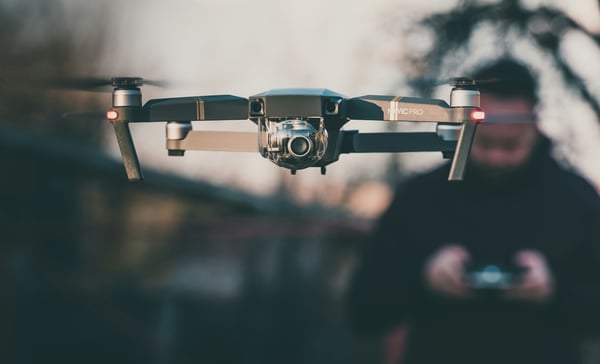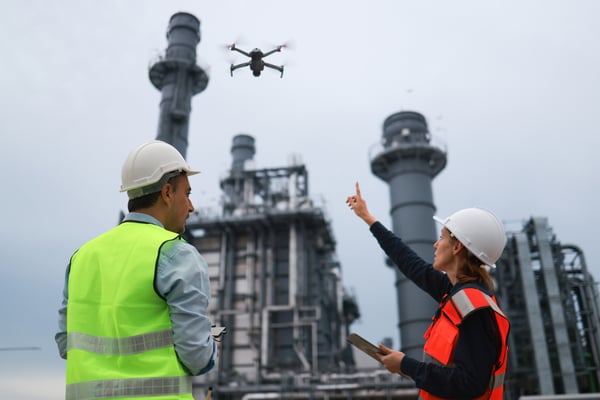
Drone detection has become increasingly common across critical infrastructure, public safety environments, and major venues. Organizations can now see when drones enter protected airspace, track their movement, and understand activity in the skies above them.
But detection alone does not resolve the incident.
Security teams are increasingly confronting a fundamental question: what happens after a drone is detected? Identifying that an aircraft was present is only the first step. Determining what the drone did, where it launched from, and who operated it requires a deeper investigative process.
This is where drone forensics plays a critical role. By combining device data, airspace intelligence, and investigative analysis, drone forensics allows organizations to move beyond situational awareness and toward actionable evidence that can support enforcement and accountability.
What Happens After a Drone Incident?
After a drone incident is detected or a drone is recovered, investigators begin analyzing available evidence to understand what occurred. This process often involves examining the drone itself, extracting onboard flight data, and correlating that information with external airspace intelligence sources. The goal is to reconstruct the flight, determine where the drone came from, and identify the operator responsible.
The Drone Investigation Gap
As drone detection technology has matured, many organizations now have visibility into the airspace above their facilities. Sensors can identify drone activity, track aircraft movement, and alert security teams when a flight occurs near sensitive locations.
However, visibility does not automatically translate into resolution.
Many drone incidents are recorded but never fully investigated because organizations lack the tools or expertise required to analyze recovered aircraft and interpret drone data. Even when a drone is recovered, flight logs may be encrypted, damaged, or stored in formats that require specialized forensic tools to access.
This creates what many security teams experience as a drone investigation gap: the difference between detecting a drone in the airspace and proving what happened after the fact.
Closing that gap requires combining detection data with forensic analysis. When investigators can correlate recovered aircraft data with historical airspace intelligence, they can move from simply observing drone activity to building evidence that supports accountability.
Preserving Evidence After an Incident
When a drone is recovered after an incident, it is typically treated as both a physical device and a digital evidence source.
Modern drones store a significant amount of operational data, including flight logs, captured media including images and video, and system or diagnostic logs. Because of this, how the device is handled after recovery can influence the integrity of that data.
In many investigations, establishing proper evidence handling procedures and documentation early on helps ensure that any information recovered from the aircraft can be used reliably in investigative or legal contexts.
Understanding the Aircraft Itself
Beyond the immediate recovery of a drone, investigators often begin by examining the device itself.
The manufacturer, model, and hardware configuration can reveal important clues about the aircraft’s capabilities. Certain drones are designed for consumer recreation, while others support more advanced features such as long-distance flight, automated navigation, or specialized payloads.
These details help investigators understand how the drone may have been operated and what it may have been capable of during the incident.
The Role of Onboard Drone Data
One of the most valuable aspects of drone forensics is the operational data stored within the drone system, which can be located in the aircraft, the remote controller, or both components depending on the platform.
Many drones automatically record detailed information about their flights, including location data, timestamps, altitude, system activity, and sensor information. In some cases, this data can help reconstruct the drone’s path, identify where it launched, and determine how it behaved during the flight. Drones can also store multimedia files internally or on inserted media cards. These media cards often contain a substantial amount of forensically valuable information.
Extracting and interpreting this information often requires specialized tools and properly trained personnel. Organizations that do not maintain internal drone forensic capabilities sometimes work with specialized providers that can perform data extraction and analysis and generate prosecution-ready forensic evidence.
Looking Beyond the Drone
Drone incidents rarely exist in isolation. In many cases, investigators combine recovered device data with information captured by external systems.
Detection sensors, airspace monitoring platforms, surveillance cameras, and other records can all contribute to a broader understanding of the event. When these sources are analyzed together, they can help investigators reconstruct timelines, confirm flight paths, and connect recovered devices with previously observed activity.
Platforms designed for drone detection and airspace intelligence can play an important role in this process by providing historical flight data and contextual information surrounding an incident.
The Challenge of Attribution
One of the most difficult aspects of drone investigations is determining who operated the aircraft.
While drones can provide useful clues about their origin and operation, linking a device to a specific individual requires careful analysis and supporting evidence. Investigators may look at seized or recovered mobile devices or remote controllers, launch locations, how the drone communicated with its controller during flight, device identifiers, and other indicators that help narrow down potential operators.
Although attribution is not always definitive, combining onboard drone data with detection records and investigative analysis can significantly strengthen the evidentiary picture.
Turning Drone Data Into Evidence
For drone forensics to support enforcement actions, the findings must ultimately be documented in a way that is reliable and defensible.
This often involves compiling investigative findings into structured reports that describe the recovered data, the analysis performed, and the conclusions drawn from that information. These reports may be used internally by security teams or shared with regulatory authorities and law enforcement agencies.
In cases where drone incidents lead to legal proceedings, the ability to produce clear, legally sound, well-documented forensic evidence becomes especially important.
Closing the Gap Between Detection and Investigation
As drone activity continues to grow, many organizations are discovering that detection alone is not enough.
While detection systems provide visibility into airspace activity, the ability to investigate incidents and support enforcement requires additional capabilities. This includes access to historical flight data, forensic extraction tools, and expertise in analyzing drone systems.
To address this gap, some organizations are beginning to integrate forensic analysis directly into their drone detection workflows. By combining airspace intelligence with forensic investigation, they can move beyond simply observing drone activity and toward building evidence that supports accountability.
How SkySafe Supports Drone Forensics
SkySafe supports drone investigations by providing a drone detection and airspace intelligence platform that captures telemetry, identification information, and historical drone activity.
This data can help investigators reconstruct drone incidents and correlate recovered aircraft with previously observed flight activity.
In addition, SkySafe offers Forensics as a Service, which provides organizations with access to forensic extraction tools, investigative expertise, and training designed to support drone incident investigations. Through this approach, organizations can analyze recovered drones, match onboard data with detection records, and generate legally defensible forensic reports.
By combining airspace intelligence with forensic analysis, SkySafe helps organizations move from simply detecting drone activity to understanding and responding to it.
Why Drone Forensics Matters
As drone incidents become more frequent and complex, understanding what happens after a drone incident is becoming just as important as detecting one.
Drone forensics allows organizations to move beyond awareness and toward actionable intelligence. By analyzing drone data and correlating it with broader airspace activity, investigators can better understand incidents, strengthen enforcement efforts, and improve future security strategies.
In this way, drone forensics transforms isolated drone events into meaningful investigative insights.
The Future of Drone Incident Response
As drone activity continues to expand across cities, infrastructure sites, and public venues, the ability to simply detect aircraft in the airspace is no longer enough. Organizations are increasingly expected to investigate incidents, understand what occurred, and produce evidence that supports enforcement when necessary.
Integrating drone detection, airspace intelligence, and forensic analysis into a single workflow allows security teams to move beyond awareness and toward accountability, transforming drone incidents from isolated alerts into actionable investigations.